Central Pacific Condo vs. Villa: Which Suits Your Life?
June 4, 2026
June 4, 2026
You can find both polished resort condos and private ocean-view villas along Costa Rica’s Central Pacific Coast, but the right choice depends less on prestige and more on how you want to live. If you are weighing convenience against privacy, or rental ease against control, this region brings those tradeoffs into sharp focus. From Jacó to Herradura to Manuel Antonio, the market is shaped by tourism, lifestyle, and coastal property rules that deserve careful attention. Let’s dive in.
Photo Credit: The Bellavista apartment view
Costa Rica’s Central Pacific Coast is not just a residential market. It is a tourism-driven coastal corridor connected to San José by Routes 27 and 34, with a drive of about 161.9 kilometers that takes roughly 3 hours and 10 minutes. Official tourism materials frame the region around beaches, surf, boating, fishing, waterfalls, wildlife viewing, and rural experiences.
That matters because your property is part of a destination economy. Jacó and Manuel Antonio, in particular, see strong visitor activity and short-stay demand, while Herradura offers a calmer marina-oriented setting. In practical terms, your condo or villa decision should reflect how often you plan to use the home, how much upkeep you want to handle, and whether rental-readiness is part of your plan.
Under Costa Rica’s condominium law, a condo is not simply an individual unit. You own your private unit along with an inseparable co-ownership interest in common elements, services, and shared property. The legal structure also requires administration and expense tracking for common costs.
For you as a buyer, that usually creates a more predictable ownership experience. Shared amenities, exterior upkeep, landscaping, pools, and security are often managed collectively, which can make condo ownership feel more turnkey. This is one reason condos tend to align well with resort-style coastal markets.
A condo can be a strong fit if you want a home that is easier to lock, leave, and return to. In active destinations like Jacó and Manuel Antonio, that lower-friction setup often matches the rhythm of second-home ownership and tourism use. It also tends to suit buyers who value on-site services and a more standardized ownership structure.
Other practical advantages often include:
The same structure that makes condo ownership simpler can also limit flexibility. You will usually need to follow association rules, participate in collective decisions, and budget for common expenses. Depending on the project, there may also be special assessments or disagreements within the association.
If your priority is total independence, a condo may feel too defined by shared governance. For some buyers, the ease is worth it. For others, the limits on autonomy become the deciding factor.
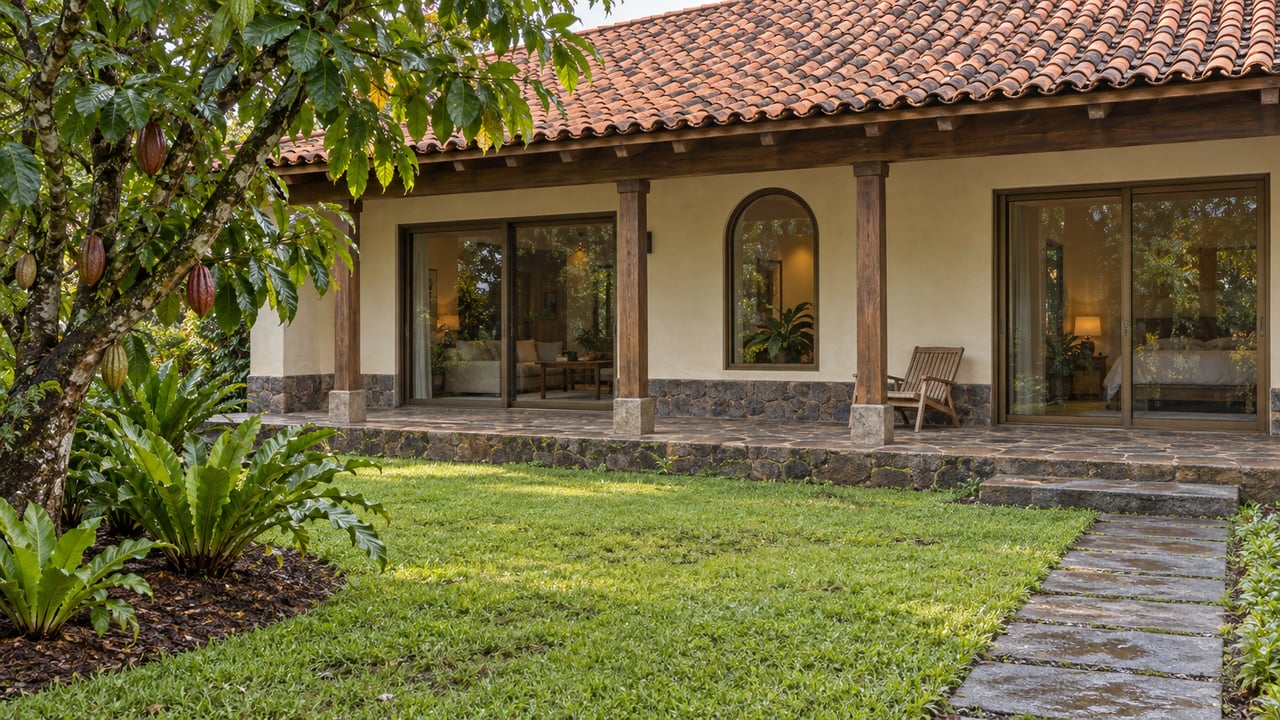
A standalone villa usually appeals to buyers who want more privacy, more land, and more control over how the property looks and functions. If you picture outdoor entertaining areas, custom design, broad ocean views, or a more secluded setting, a villa may feel closer to your ideal.
That added freedom usually comes with more responsibility. Unless the home is inside a planned community or condominium regime, you are likely taking on more of the maintenance burden yourself. Landscaping, exterior care, pool upkeep, and security may require more active oversight.
For many luxury buyers, the appeal of a villa is straightforward. You gain a more private living environment, greater customization potential, and often a stronger sense of retreat. In hillside or view-oriented settings, villas can deliver a residential experience that feels more tailored and less standardized.
This can be especially attractive if you are buying for personal use first and rental performance second. A standout villa with privacy, design, or exceptional views may also hold special appeal in a market where setting matters deeply.
On the Central Pacific Coast, the biggest issue is not whether a property is called a villa. It is whether the land is titled fee simple property, part of a condominium regime, or affected by the maritime-terrestrial zone.
Costa Rica’s maritime zone extends 200 meters from the ordinary high-tide line. It includes a 50-meter public zone and a 150-meter restricted zone. Official law also states that this zone belongs to the State, development is restricted, and concessions cannot be granted to certain foreign ownership structures or to foreigners who have not resided in Costa Rica for at least five years.
At the same time, some urban coastal areas and certain titled private properties are excluded, so not every beach-adjacent home falls under a concession structure. That is why title status matters more than the marketing label. A villa near the beach may be a straightforward titled property, or it may require a very different legal review.
Jacó is the most energetic of the major Central Pacific destinations. Official tourism materials describe it as close to the capital and known for surf, hiking, horseback riding, mountain biking, and other active lifestyle experiences. ICT destination planning also points to a large lodging base and strong visitor volume.
If you want low-maintenance ownership in a lively beach town, a condo often fits naturally here. The combination of services, amenities, and tourism activity can make condos especially appealing for buyers who want convenience and easier rental use. If you prefer privacy, hillside settings, or a more custom home environment, a villa may be the better match.
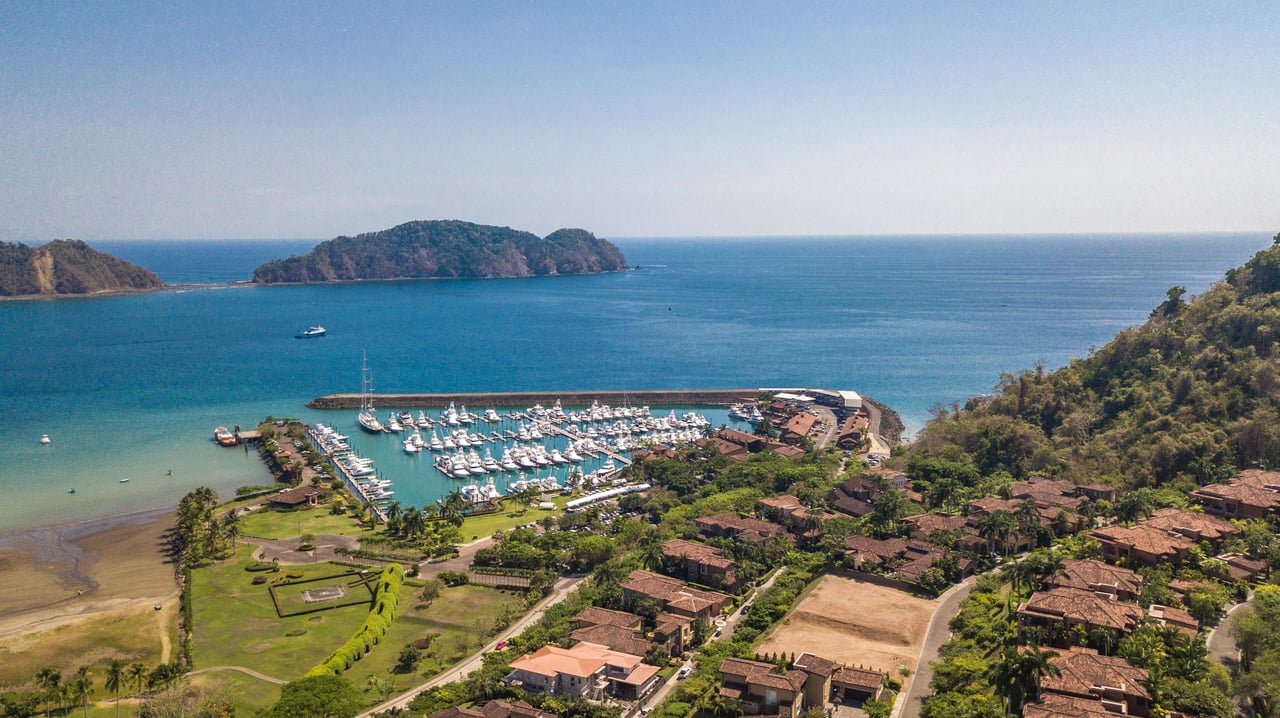
Herradura has a different tone. ICT describes it as a 3-kilometer horseshoe bay with calm, protected waters and a connection to the Los Sueños marina and real estate complex. That gives the area a more resort-and-marina feel than a traditional beach-town atmosphere.
In this setting, condos often work very well for buyers who want shared amenities, security, and proximity to marina-oriented living. Villas still make sense if your priority is a larger footprint or greater privacy. The best fit depends on whether you value ease and access or independence and space.
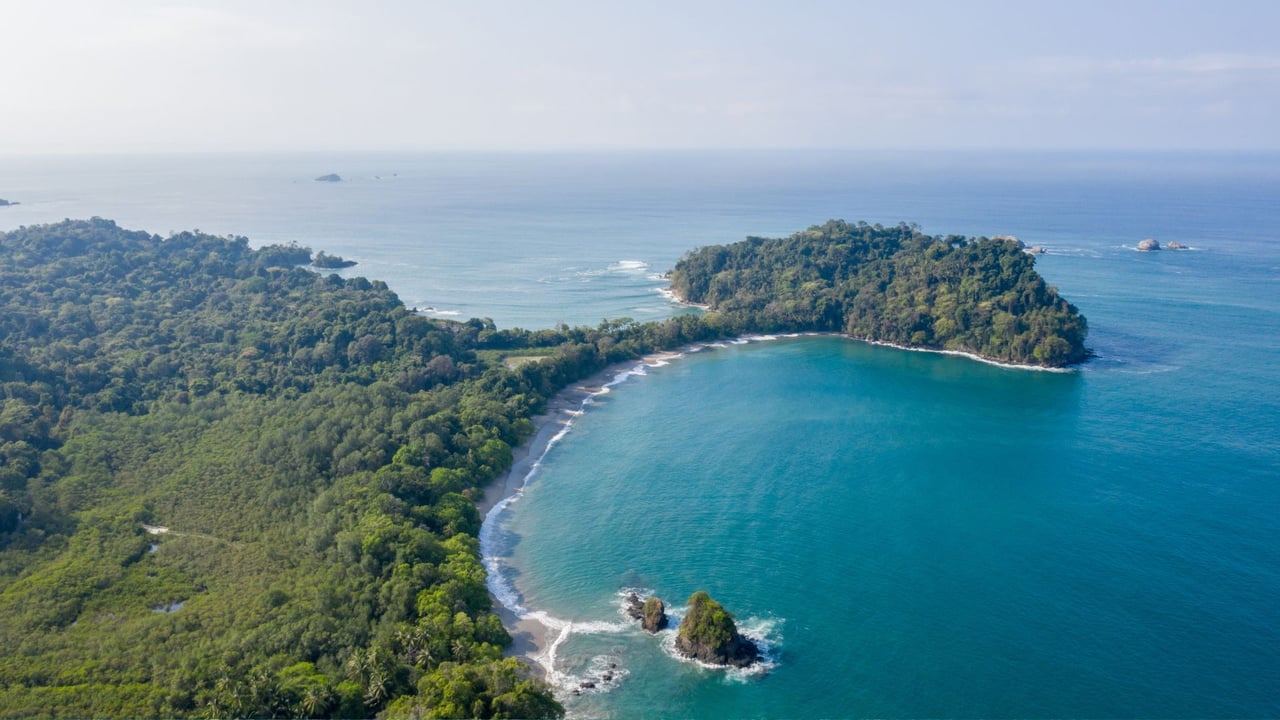
Manuel Antonio offers the most nature-led environment of the three. SINAC reports that Manuel Antonio National Park receives the highest number of national and international visitors among Costa Rica’s protected areas. The area also has a strong lodging base and a travel pattern centered on shorter stays.
That demand profile can make condos appealing for lock-and-leave ownership and rental operations. Villas, however, may be more compelling if you want privacy, views, and a more residential atmosphere. It is also worth noting that SINAC states the park has no parking, and the road between Quepos and Manuel Antonio becomes very busy in high season, so access and logistics should be part of your decision.
If you are deciding between the two, focus on daily reality rather than image. Ask yourself how much management you want, how often you will use the property, and whether rental convenience or private living matters more.
Priority | Condo | Villa |
|---|---|---|
Maintenance | Usually easier through shared administration | Usually more owner responsibility |
Privacy | More communal by design | Usually more private |
Amenities | Often built into the regime | Varies by property and community |
Flexibility | More rules and collective decisions | More control over use and design |
Rental readiness | Often a strong fit in tourism-driven markets | Can perform well if design, views, or seclusion stand out |
Legal review | Important, but often more standardized | Often requires deeper title and coastal due diligence |
Before you choose a condo or villa on the Central Pacific Coast, make sure your decision is grounded in both lifestyle and structure.
Ask questions such as:
These questions help you move beyond surface appeal. They also reduce the risk of buying a property that looks right on paper but does not fit the way you actually want to live.
On Costa Rica’s Central Pacific Coast, condos and villas can both be exceptional choices. A condo is often the better fit if you want convenience, shared amenities, and easier ownership in a tourism-oriented market. A villa is often the better fit if you value privacy, space, and a more customized living experience.
The real advantage comes from aligning the property type with your lifestyle, legal comfort level, and long-term plans. In a region shaped by tourism density, marina access, park proximity, and coastal land rules, thoughtful guidance can make the path much clearer.
If you are exploring condo or villa opportunities on Costa Rica’s Central Pacific Coast, Luxury Living Costa Rica offers discreet, senior-led guidance tailored to your lifestyle, investment goals, and due diligence needs.
Stay up to date on the latest real estate trends.



Jaco Beach Costa Rica - A beach community lifestyle
Invest in a lifestyle that values community, nature, and authentic Costa Rican culture. Contact us today to get started!
LUXURY LIVING COSTA RICA
PLAZA TEMPO ESCAZÚ SAN JOSÉ SAN RAFAEL COSTA RICA 10903