Planning a Guanacaste Boutique Hotel Investment
luxury hospitality May 14, 2026
luxury hospitality May 14, 2026
If you are considering a boutique hospitality project in Guanacaste, the opportunity can look exciting at first glance. Strong tourism demand, direct international access, and the province’s global appeal make it a natural place to explore a small luxury hotel, retreat, or wellness-led concept. The real advantage, though, comes from planning carefully from day one so your vision fits the land, the regulations, and the market. Let’s dive in.
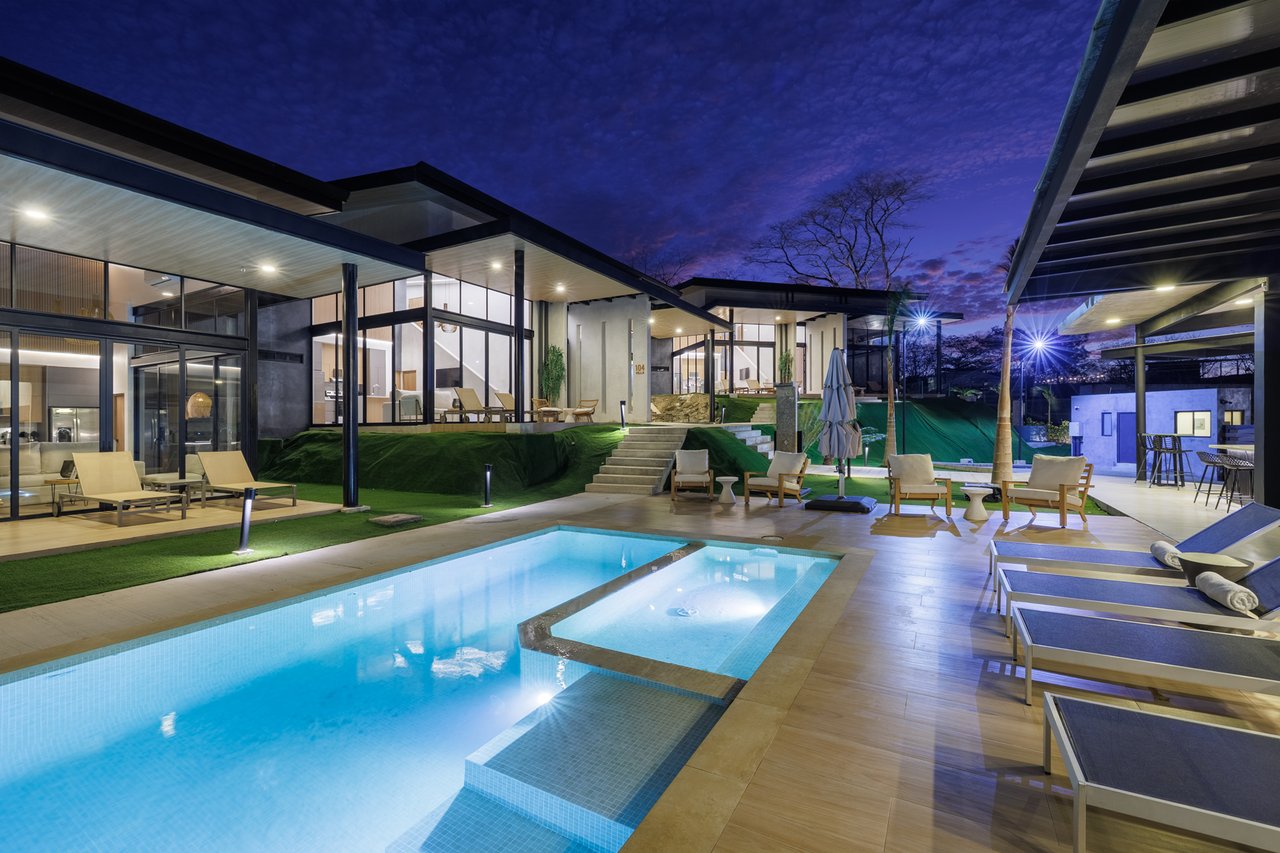
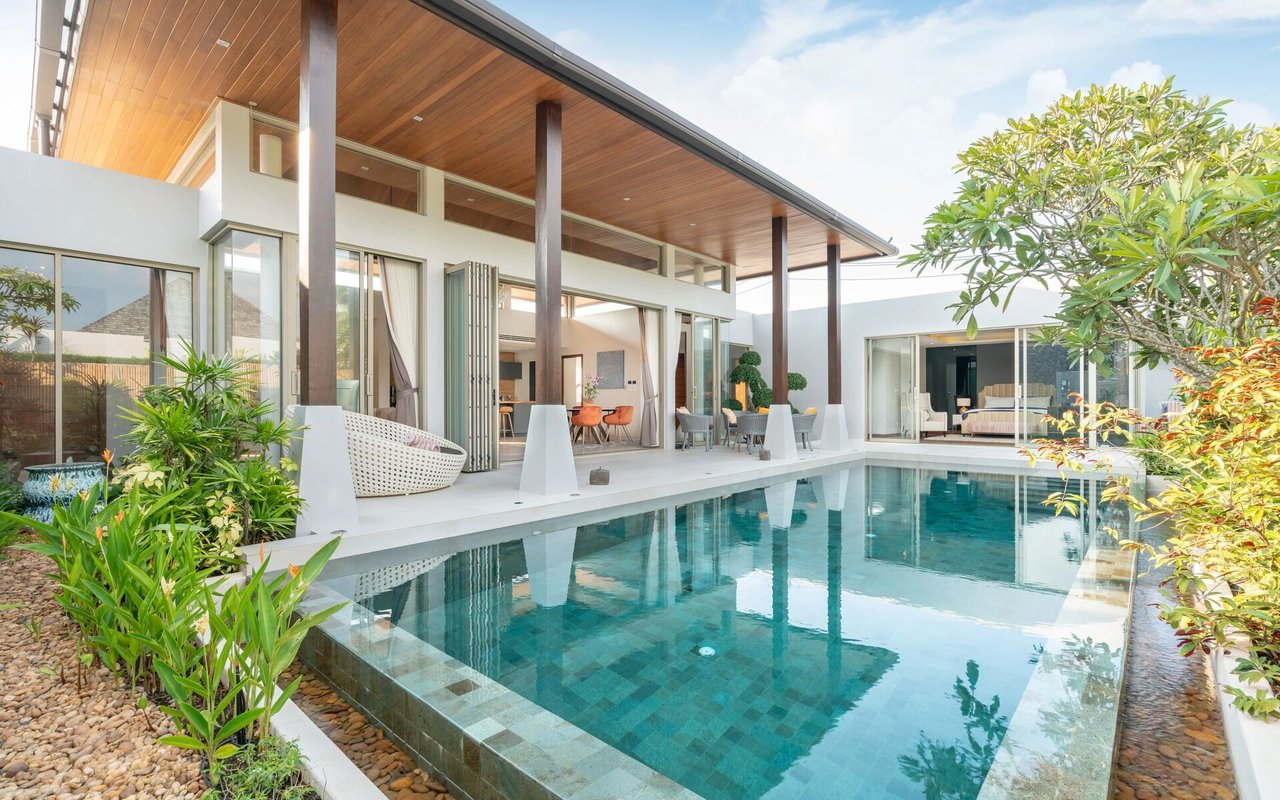
Photo credit: Serenitá Tamarindo Boutique Hospitality
Guanacaste is one of Costa Rica’s most important tourism gateways. According to ICT, Costa Rica received 2,661,488 air tourists in 2024, and 881,289 of them entered through Daniel Oduber Quirós Airport in Guanacaste. That represented a 14.5% increase over 2023.
Airport access matters because it shapes how easily your future guests can reach your project. Guanacaste Airport also reported a record 2025 with 1,973,831 passengers and 26 direct international routes served by 12 airlines. For a boutique hospitality concept, that level of connectivity supports convenience, repeat travel, and shorter planning cycles for international visitors.
The visitor mix is also important. ICT data shows that about 96% of arrivals through Liberia’s airport in 2024 came from North America, and seven in ten air tourists nationwide came from the United States. For investors and developers, this suggests strong relevance for premium leisure products designed around comfort, privacy, and a high-touch guest experience.
Guanacaste is not an emerging hospitality market in the early stages. ICT estimated 14,626 rooms and 628 lodging establishments in the province in 2024, equal to 26.1% of Costa Rica’s national room supply.
That scale tells you two things at once. First, the market is proven. Second, a new project usually needs a clear point of differentiation instead of a generic offering.
In practical terms, boutique projects in Guanacaste tend to stand out when they compete on experience rather than volume. Design, privacy, wellness, location, and a strong sense of place often matter more than building a large room count.
Not every part of Guanacaste works the same way for hospitality planning. Coastal and airport-connected areas are often the first places investors study, especially the Liberia, Carrillo, and Papagayo corridor, Tamarindo and Playa Grande, Flamingo and Potrero, and inland nature-oriented zones that can support retreat or wellness formats.
Each submarket has a different development logic. Some are tied closely to beach access and international visitor traffic, while others are better suited to nature-driven stays, quieter positioning, or more immersive experiences.
A particularly important area is the Golfo de Papagayo. ICT’s legal materials show that Papagayo operates under a dedicated tourism development law, and recent ICT and AyA infrastructure work there has been tied directly to communities and tourism developments. That makes Papagayo a special-regime market, not a standard coastal acquisition scenario.
Guanacaste’s hospitality appeal is closely linked to its conservation and landscape assets. SINAC identifies the Guanacaste Conservation Area as including Santa Rosa, Guanacaste, and Rincón de la Vieja national parks. It also notes that Rincón de la Vieja offers volcanic landscapes, Santa Rosa preserves dry tropical forest and a historic museum, and Marino Las Baulas protects leatherback nesting beaches in the Tamarindo Bay area.
For a boutique concept, these natural anchors are more than scenery. They help define the guest experience and support positioning around eco-luxury, wellness, outdoor adventure, and low-density design.
This is one reason thoughtful projects often perform better than overbuilt ones. In Guanacaste, the setting itself is part of the value proposition.
Before you acquire land or an existing hospitality asset, your first diligence questions should be simple and direct. Is the parcel coastal? Is it in or near the maritime-terrestrial zone? Does it have road access, easements, water, wastewater capacity, and a land-use fit for your concept?
These questions matter everywhere, but they are especially important in Guanacaste because of coastal restrictions, protected areas, and water constraints. A beautiful site is not enough if the legal and infrastructure fundamentals do not support the business plan.
At this stage, discipline usually saves time and capital. It is far better to test a property thoroughly before design work advances than to discover a major limitation after you have already committed to the concept.
For beachfront and near-beach projects, Costa Rica’s maritime-terrestrial zone is one of the most important legal filters. Law 6043 defines this zone as a 200-meter strip measured from ordinary high tide. The first 50 meters are public zone, and the remaining 150 meters are restricted zone.
The law also prohibits building or other occupation there without proper legal authorization. That means a beachfront opportunity should never be evaluated on location alone.
If a site falls within the restricted zone, current legislative guidance indicates that new construction must be supported by an approved concession and must align with the applicable coastal regulatory plan. In real terms, title review, concession status, and plan compliance all need to be checked before valuation and design move too far forward.
Environmental review should begin at the concept stage, not as an afterthought. SETENA is the authority for environmental viability, and its portal separates project pathways such as D1 for activities, works, and projects with low, moderate, or high impact.
SETENA also explains that the environmental impact assessment process is designed to evaluate impacts so they can be prevented, controlled, mitigated, or compensated. For a hospitality project, that means site planning should evolve alongside environmental analysis.
This early alignment can shape everything from building placement to circulation, vegetation strategy, infrastructure layout, and guest capacity. It is much easier to adapt a concept early than to redesign it later.
Water is one of the most important diligence topics in Guanacaste. SENARA states that the PIAAG program is intended to improve access to water in the province through hydraulic infrastructure, water-resource management, and conservation. AyA has also continued announcing potable water projects in the province, including a 2024 project in Carrillo designed to benefit 1,426 people.
For investors, this points to a clear reality. Water infrastructure is both an opportunity and a constraint, and availability should be validated early in the process.
This is especially important for hospitality uses because guest operations depend on consistent service. Room count, landscaping, food and beverage components, spa functions, and laundry demands can all affect feasibility.
In Guanacaste, sustainability is not just a branding detail. Costa Rica’s tourism identity is closely tied to environmental stewardship, and ICT’s CST regulation states that the program is meant to help differentiate the country as a sustainable destination while aligning with responsible tourism and sustainable development criteria.
ICT and AyA also reported 151 Blue Flag beaches in 2024, with criteria that include sanitation, water-quality testing, safety, recycling, and environmental education. Guanacaste holds a meaningful share of those recognitions, which reinforces the level of environmental discipline many visitors already expect from the region.
Even the airport reflects this culture. Guanacaste Airport reports certifications and sustainability recognitions including ISO 9001, ISO 14001, carbon-neutral accreditation, and ISO 50001. For a premium hospitality project, sustainability should be built into the operating model from the start.
The strongest boutique hospitality concepts in Guanacaste are often low-density and site-sensitive. Based on the province’s conservation profile, water constraints, and sustainability framework, projects tend to work best when they emphasize smaller room counts, indoor-outdoor flow, shade, passive cooling, water-wise landscaping, and an experience that uses nature as an asset rather than overpowering it.
This does not mean every project should look the same. It means the design should respond to the land, climate, and regulatory context in a measured way.
For luxury-minded developers, this approach can also support stronger long-term positioning. A property that feels intentional, calm, and rooted in place often has more staying power than one built around excess.
Even an excellent site and a strong concept need local execution. In Guanacaste, the planning process often calls for Costa Rican legal counsel, survey and cadastre support, environmental consulting, architecture and engineering, utility coordination, and an operator or asset manager with hospitality experience.
That local bench matters because the province’s development path can be shaped by coastal concessions, environmental viability, and water availability. A project moves more confidently when each part of the process is reviewed by the right specialist at the right time.
For many international buyers, investors, and developers, this is where experienced market guidance becomes especially valuable. The Costa Rica market can be fragmented, and hospitality opportunities often require careful coordination well before a transaction closes.
The case for boutique hospitality in Guanacaste is real. Demand is strong, international access is established, and the province already has a substantial tourism base. At the same time, success usually depends on choosing the right submarket, respecting the legal framework, validating infrastructure, and designing in a way that fits the land.
If you are evaluating a hotel site, retreat concept, or hospitality development parcel, the goal is not simply to find something attractive. The goal is to identify an opportunity that can be executed with clarity, discipline, and long-term value in mind.
At Luxury Living Costa Rica, that means approaching hospitality real estate with the same discretion and senior-level guidance we bring to complex luxury acquisitions across the country. If you are exploring a boutique project in Guanacaste and want informed support on land, hotels, or development opportunities, connect with Luxury Living Costa Rica | Forbes Global Properties.
Stay up to date on the latest real estate trends.


Jaco Beach Costa Rica - A beach community lifestyle
Invest in a lifestyle that values community, nature, and authentic Costa Rican culture. Contact us today to get started!
LUXURY LIVING COSTA RICA
PLAZA TEMPO ESCAZÚ SAN JOSÉ SAN RAFAEL COSTA RICA 10903