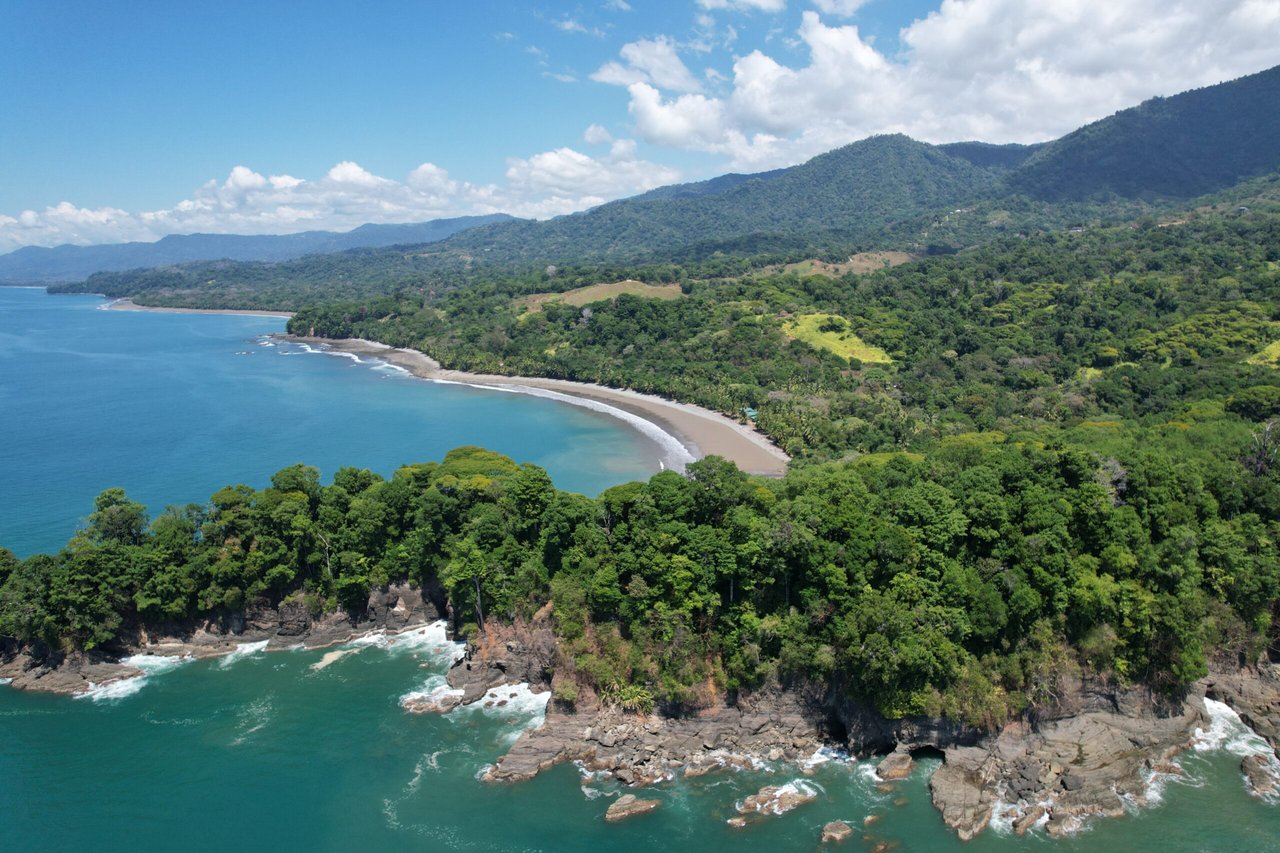
Eco-Luxury Real Estate Opportunities On The South Pacific Coast
May 28, 2026
May 28, 2026
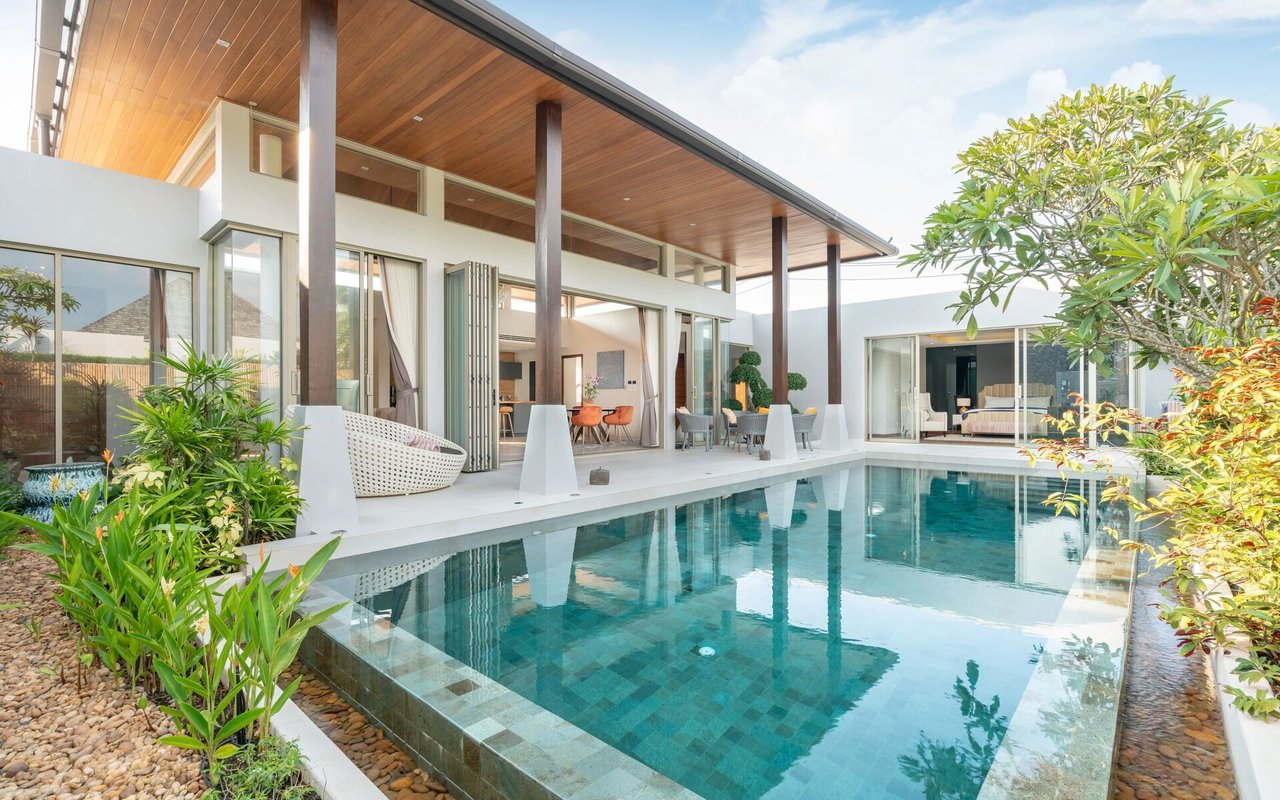
Dreaming of a home where ocean views, rainforest privacy, and thoughtful design come together? On Costa Rica’s South Pacific Coast, that vision is real, but it comes with a unique set of opportunities and responsibilities. If you are exploring an eco-luxury purchase in this region, understanding the landscape, access, and due diligence steps can help you move with more confidence. Let’s dive in.
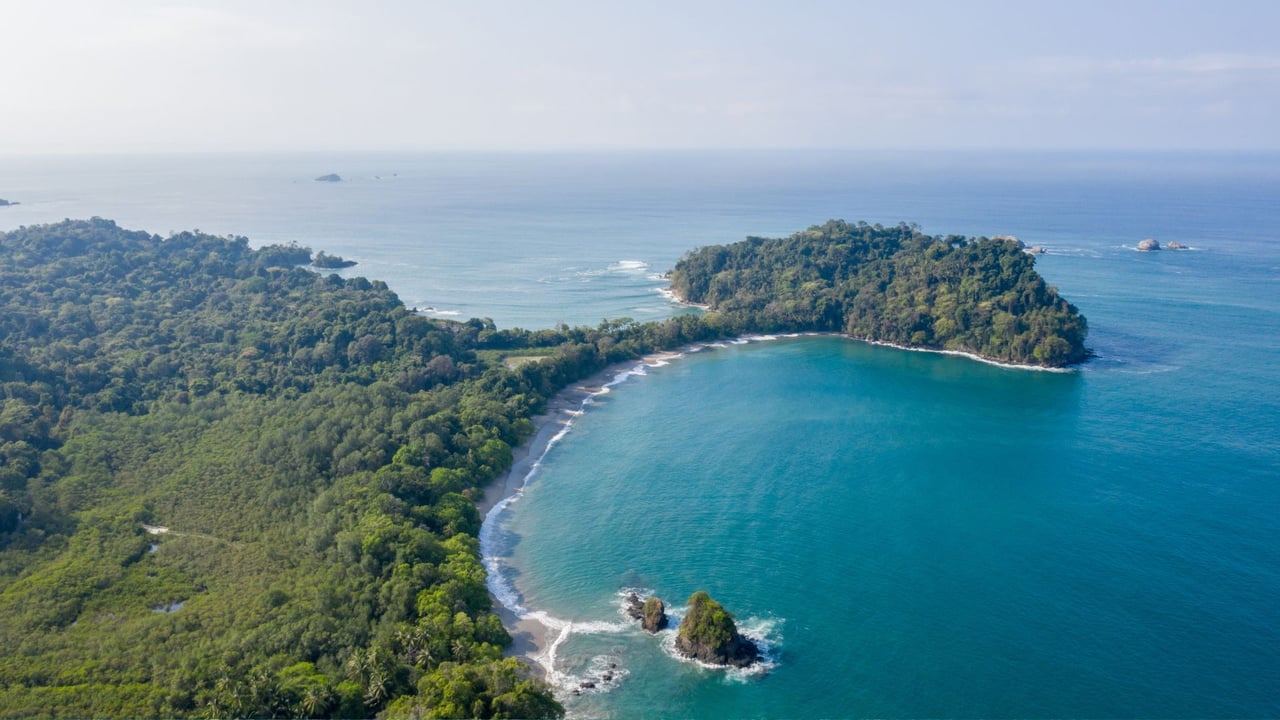
The South Pacific Coast, stretching from Dominical to the Osa Peninsula, is one of Costa Rica’s most conservation-focused regions. Official tourism sources identify ecotourism as the area’s main product, with places like Marino Ballena, Golfo Dulce, Isla del Caño, Corcovado, and the Sierpe-Térraba wetlands shaping the identity of the region. This is not simply a scenic backdrop. It is the foundation of the local lifestyle and real estate appeal.
The environmental profile is striking. The region has roughly 197 inches of annual rainfall, about 85 protected marine wildlife species, and around 25 percent protected land. SINAC also describes Corcovado as home to 2.5 percent of the world’s biodiversity, which helps explain why buyers are drawn to properties that feel immersed in nature while still offering privacy and comfort.
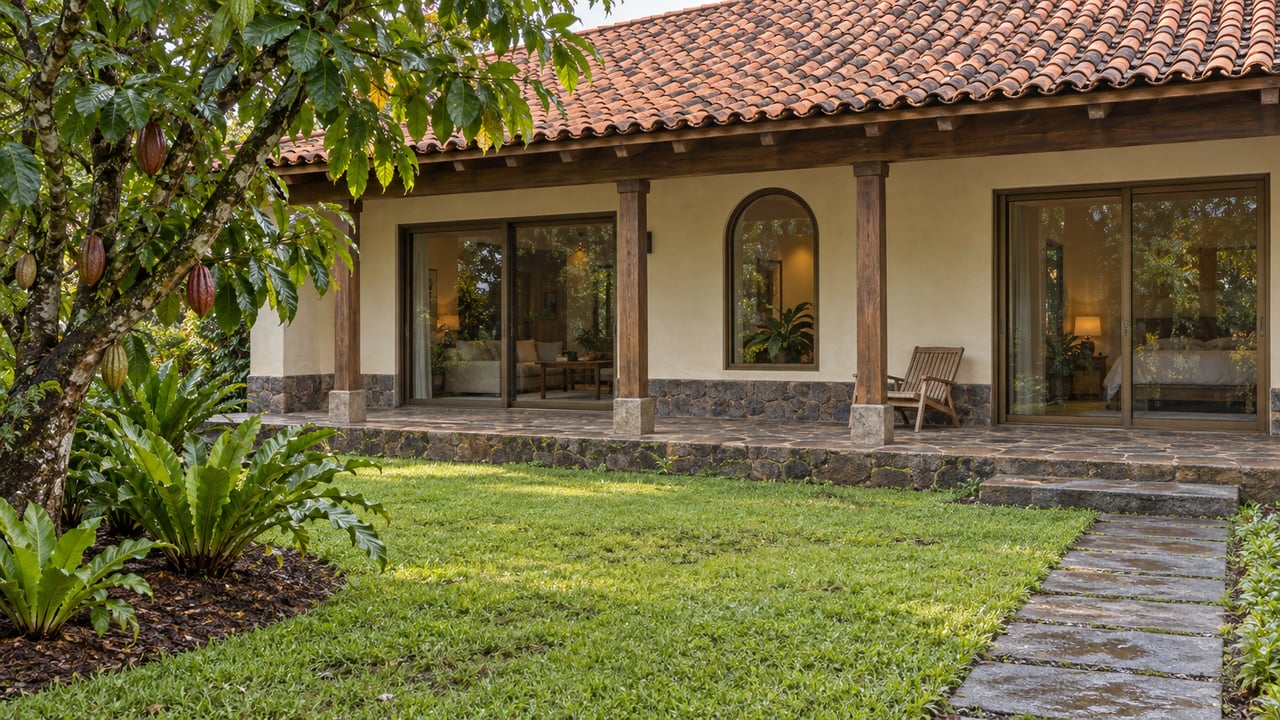
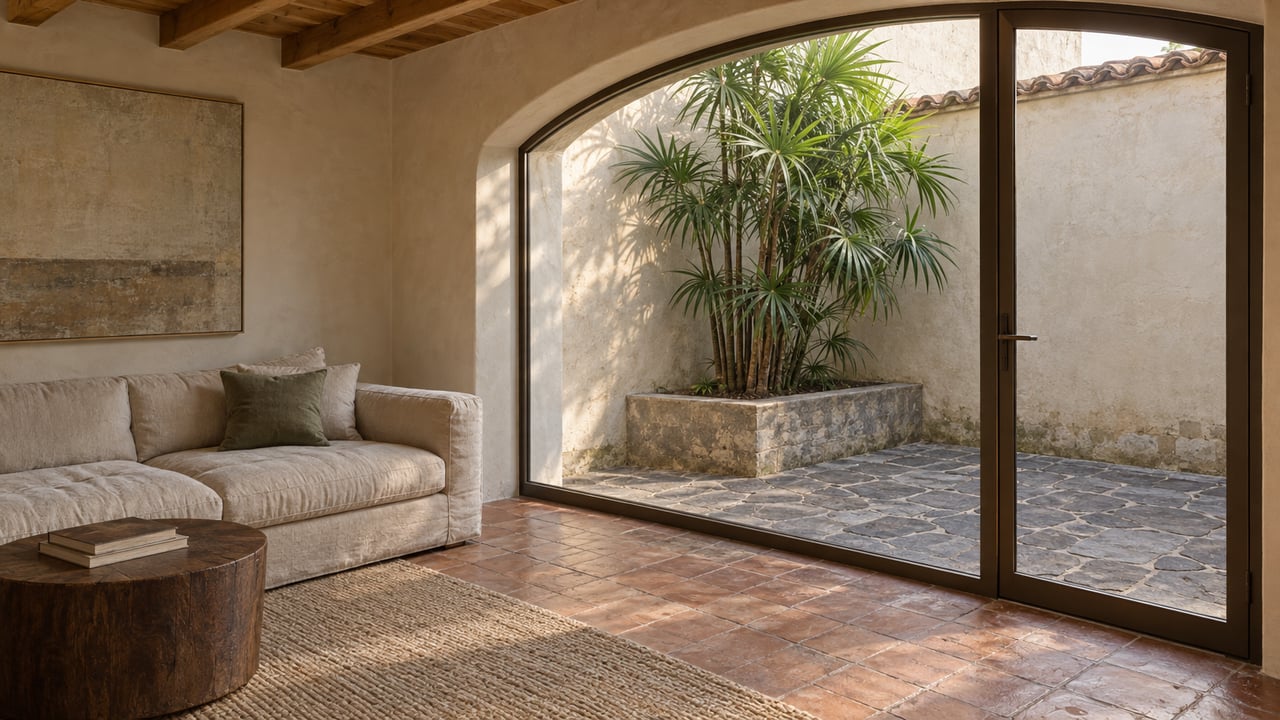
In practical terms, eco-luxury here is more than a design trend. It reflects the reality that natural beauty, biodiversity, and protected landscapes are central to the value of the area. That tends to make low-impact planning, strong indoor-outdoor living, and careful site selection especially important.
In the South Pacific, the most appealing luxury opportunities are often not large, fully private beachfront tracts. Because much of the coastline is shaped by protected areas and coastal land-use rules, buyers often focus instead on elevated ocean-view homes, ridge estates, jungle properties with privacy, and select hospitality-oriented assets near key access points.
Common areas of interest include Dominical, Uvita and Bahía Ballena, Ojochal, Sierpe, Drake, and Puerto Jiménez. These locations connect buyers to the broader Dominical to Osa corridor, where lifestyle, tourism, and conservation intersect. For many buyers, this creates a compelling mix of personal use and long-term value.
You may find opportunities in several formats, including:
This variety is part of the region’s appeal. Whether you are looking for a private residence, a second home, or a hospitality concept, the South Pacific offers a wide range of settings that feel both exclusive and connected to nature.
One of the South Pacific’s defining strengths is how it functions as a gateway to some of Costa Rica’s most recognized natural destinations. Official sources note that many visitors use Sierpe as a fast access point to Drake Bay, Corcovado, and Caño Island. Dominical-Piñuela is also identified as a key beach-tourism zone within the region.
For real estate buyers, this matters because location is not just about scenery. It is also about how a property fits into travel patterns, visitor demand, and day-to-day logistics. Homes and boutique hospitality assets near established access corridors can offer a stronger balance between privacy and usability.
This is one reason the South Pacific continues to attract buyers who want more than a vacation home. Many are looking for a lifestyle asset that can support extended stays, multigenerational use, or a carefully positioned hospitality or retreat concept.
The South Pacific is beautiful, but it is still a rural market. That means access should always be part of the evaluation. Road travel is anchored by Route 34, the Costanera Sur, and government updates show continued infrastructure work in the corridor, including renewed road surfaces between Dominical and Uvita and a bridge project in Osa.
That is encouraging, but it also means travel conditions can shift with weather, maintenance, and construction schedules. A property that looks ideal online may feel very different once you test the route, nearby services, and seasonal conditions in person.
Air access is another key factor. Regional aerodrome information shows small airfields serving places such as Palmar Sur, Drake, Puerto Jiménez, and Quepos. This supports the region’s connectivity, but it also reinforces an important point: this is not a metropolitan access market. Logistics are functional, yet still shaped by rural conditions and weather patterns.
In eco-luxury real estate, utility questions can be just as important as views and finishes. On the South Pacific Coast, water and wastewater systems are often highly specific to each property. You should never assume that two nearby properties have the same utility profile.
Costa Rica’s Dirección de Agua explains that ASADAS manage many communal aqueduct and sewer systems under delegation from AyA, with more than 2,000 such community organizations across the country. At the same time, OECD data notes that most Costa Rican households still rely on septic tanks, and fewer than 10 percent are connected to public wastewater treatment plants.
For buyers, that means you should verify:
This is especially important if you are considering a larger estate, a hospitality asset, or a property in a remote hillside or coastal setting.
One of the most important legal concepts in this region is the maritime-terrestrial zone, often called the ZMT. Under Ley 6043, the ZMT extends 200 meters inland from the ordinary high-tide line. The first 50 meters are public zone, and the remaining 150 meters are restricted zone. Mangroves are also treated as public zone.
This has a direct effect on what can be owned, used, or concessioned along the coast. The Procuraduría General de la República also explains that concessions in the restricted zone cannot block public access to the public 50 meters. For buyers used to private coastal ownership in other countries, this is a major distinction.
That is why beachfront marketing in Costa Rica should always be reviewed carefully. The real opportunity may be excellent, but the legal structure must match the actual location and use rights of the parcel.
Inside the ZMT, an approved coastal regulatory plan is essential. According to the ICT manual for coastal plan management, a Plan Regulador Costero approved by the municipality, INVU, and ICT is required for concessions. The plan also defines land uses, road systems, services, and protection zones.
In simple terms, this means coastal opportunity is not just about a beautiful site. It is also about whether the parcel sits within an approved planning framework that supports the intended use. If a lot lacks demarcation or the required approvals, it should not receive a concession.
For an eco-luxury buyer or investor, this makes parcel-level review non-negotiable. A visually impressive property may still present legal limitations that affect value, timing, and future plans.
In a region known for steep terrain, high rainfall, and sensitive ecosystems, environmental review often plays a major role. SETENA, the environmental authority under MINAE, is a gatekeeper for projects that require environmental viability approval. OECD notes that this approval is a pre-condition for construction, operating, and several sector-specific permits.
This matters in the South Pacific because drainage, slope conditions, wastewater handling, access roads, and biodiversity impacts can all affect whether a project is feasible. The more ambitious the plan, the more important the environmental pathway becomes.
For that reason, sustainability should be framed in practical terms. In this market, credible eco-luxury usually means attention to water stewardship, wastewater treatment, low-impact site planning, native landscaping, wildlife-aware lighting, and compliance with environmental permitting.
Protected-area adjacency is another major issue in the South Pacific. SINAC’s ACOSA information highlights a landscape that includes national parks, biological reserves, reefs, mangroves, and other sensitive habitats. Marino Ballena, Corcovado, Piedras Blancas, and Isla del Caño are all part of that broader conservation context.
This does not make ownership impossible. It does mean you should confirm exactly how a parcel relates to protected boundaries, buffer conditions, or tourism-control areas. In a region like this, the difference between a remarkable site and a practical site can come down to details that are not obvious in listing photography.
That is one reason seasoned, local guidance matters so much. The right property is not simply the one with the best view. It is the one that aligns beauty, legal clarity, infrastructure, and intended use.
If you are considering a purchase on the South Pacific Coast, a disciplined review process can help you avoid expensive surprises. The strongest opportunities usually hold up across legal, environmental, and logistical questions, not just design and location.
Start with these core questions:
You should also match the property to your goals. A private second home, a relocation base, and a boutique hospitality concept may each require a different risk profile, infrastructure setup, and approval path.
What makes the South Pacific Coast so compelling is the balance it offers. You can find dramatic ocean views, lush tropical surroundings, meaningful privacy, and a more grounded pace of life. At the same time, the region asks buyers to engage seriously with stewardship, infrastructure realities, and compliance.
That balance is exactly what gives the market its long-term appeal. In a conservation-driven region, well-selected eco-luxury real estate can feel both deeply personal and strategically sound. The key is to approach each opportunity with clear eyes and the right advisory team.
For buyers seeking discreet guidance in Costa Rica’s luxury market, Asesores Costa Rica 1790 SRL offers experienced support across property search, due diligence coordination, and lifestyle-focused acquisition strategy.
Stay up to date on the latest real estate trends.


Jaco Beach Costa Rica - A beach community lifestyle
Invest in a lifestyle that values community, nature, and authentic Costa Rican culture. Contact us today to get started!
LUXURY LIVING COSTA RICA
PLAZA TEMPO ESCAZÚ SAN JOSÉ SAN RAFAEL COSTA RICA 10903