
Whale Season in Uvita, Dominical & Ojochal: Two Calendars
August 20, 2026
August 20, 2026
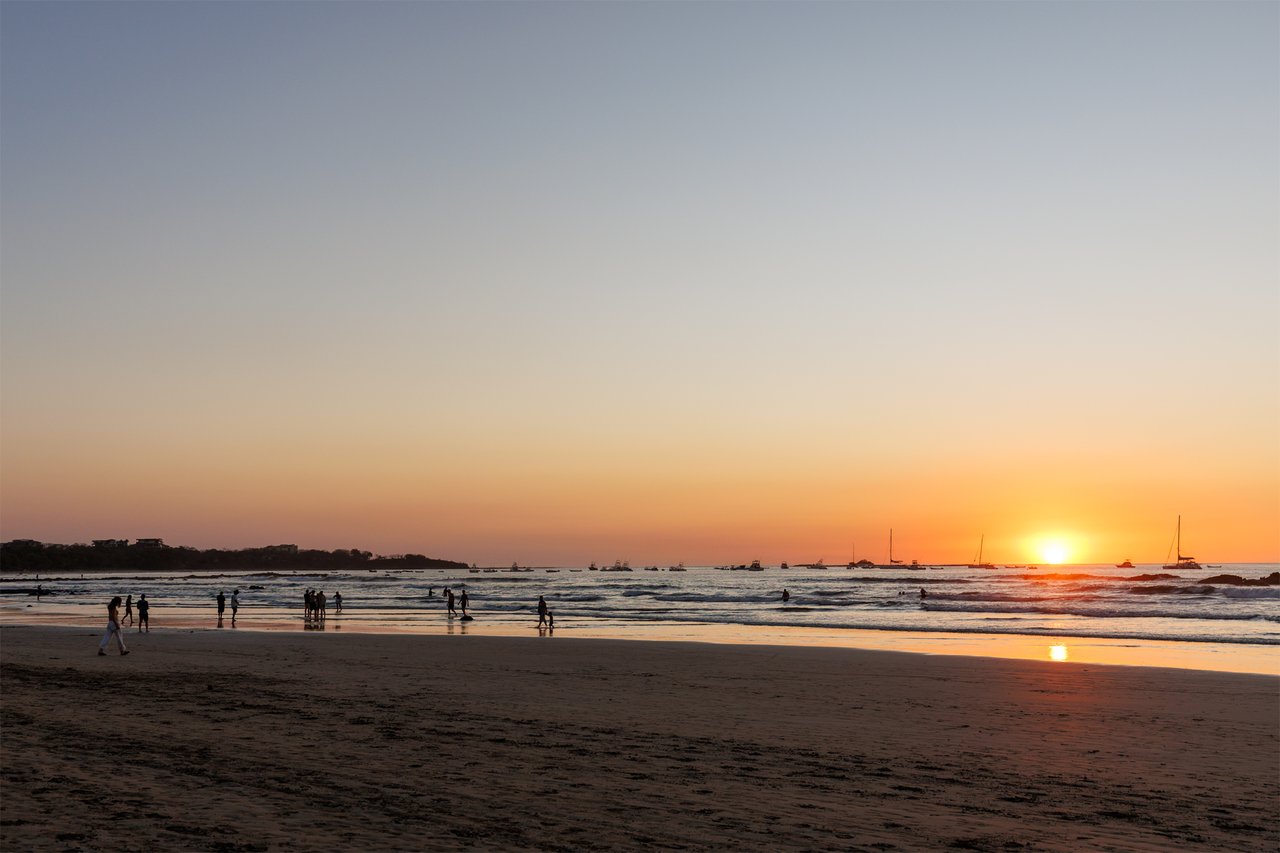
Photo credit: The Chateau Montage
A boat left Playa Uvita this week and came back within twenty minutes of a mother humpback and her calf, close enough that the guide cut the engine and let the current do the work. Meanwhile, the beach parking lot filled early but not the way it will in three weeks, when the whole town turns out for its biggest weekend of the year. Both facts are true of the exact same stretch of ocean, and they point to something residents of Uvita, Dominical, and Ojochal often miss when they hear "whale season" treated as one continuous event on the calendar.
It isn't one clock. It's two, running independently, that only really line up for a few days out of the entire year.
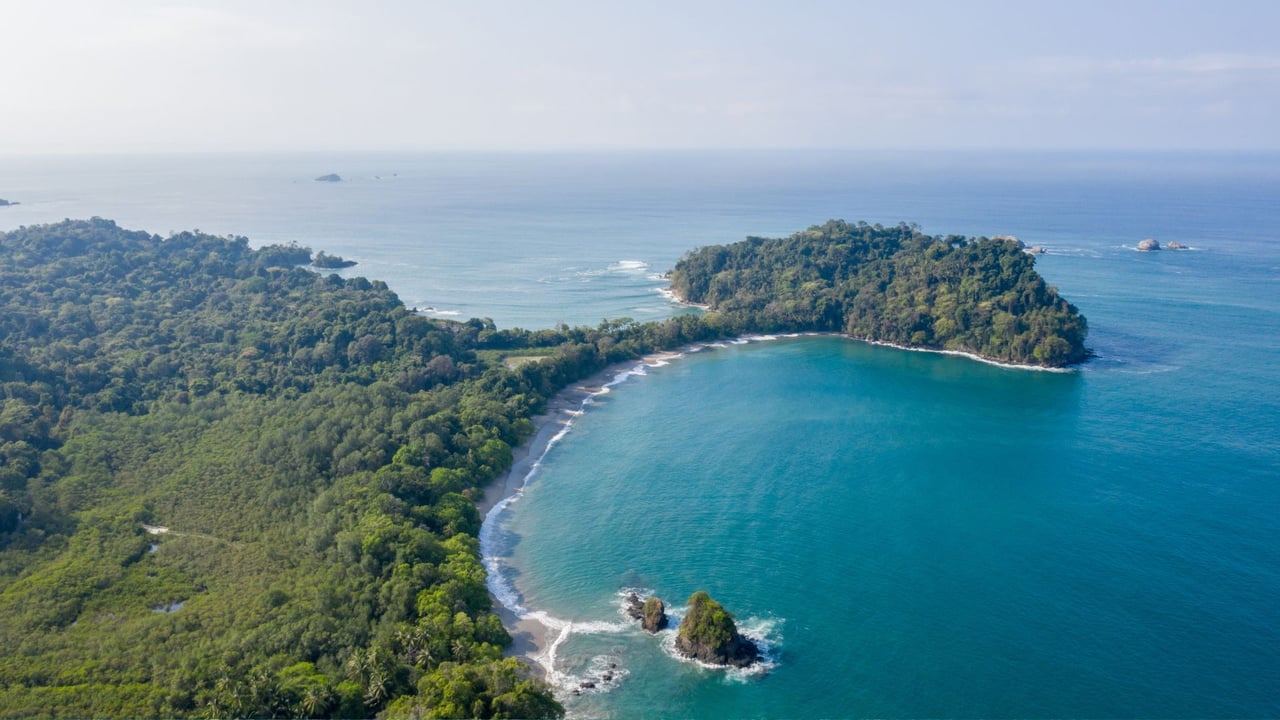
The biology is straightforward once you separate it from the marketing. Southern Hemisphere humpback whales travel from Antarctic feeding grounds to the warm water off the Costa Ballena to breed and calve, arriving roughly from July through October with the heaviest numbers in August and September. That's the population moving through Marino Ballena National Park right now. A second, unrelated population arrives from Alaska and California between December and April, peaking in January and February. Costa Rica is one of the few places on earth where both migrations pass through the same bay, just five months apart rather than at the same time.
That gap matters for anyone timing a trip to the water around anything other than the calendar on their phone. May and June are the genuine dead zone, when sightings drop off and dolphins and turtles carry the day instead. But from where we sit in mid-August, the southern migration is at its most active, and local operators report whale encounters on well over 90 percent of trips through the September-October stretch. The ocean doesn't care whether the town has an event planned. It's simply doing what it does every year in this exact window.
Marino Ballena National Park has four official entrance sectors strung along the Costanera Sur, and most visitors, tourists and long-time residents alike, only ever use one.
Sector | Known for | Typical feel during peak weeks |
|---|---|---|
Uvita | The whale's tail tombolo, walkable at low tide | Busiest by far, main parking and ranger station |
Colonia | Calm swimming water | Moderate, mostly local families |
Ballena | Snorkeling | Quieter, smaller crowds |
Piñuela | Seclusion | Quietest of the four |
The whales themselves don't sort by entrance. A boat departing from any of the four sectors is working the same offshore water, so the sightings math doesn't change much between them. What changes is the parking lot, the beach towel real estate, and how much of a wait there is at the ranger station. Anyone who's been defaulting to the Uvita entrance out of habit is choosing the park's busiest quarter mile during its busiest month, when Colonia or Piñuela offer roughly the same odds without the queue.
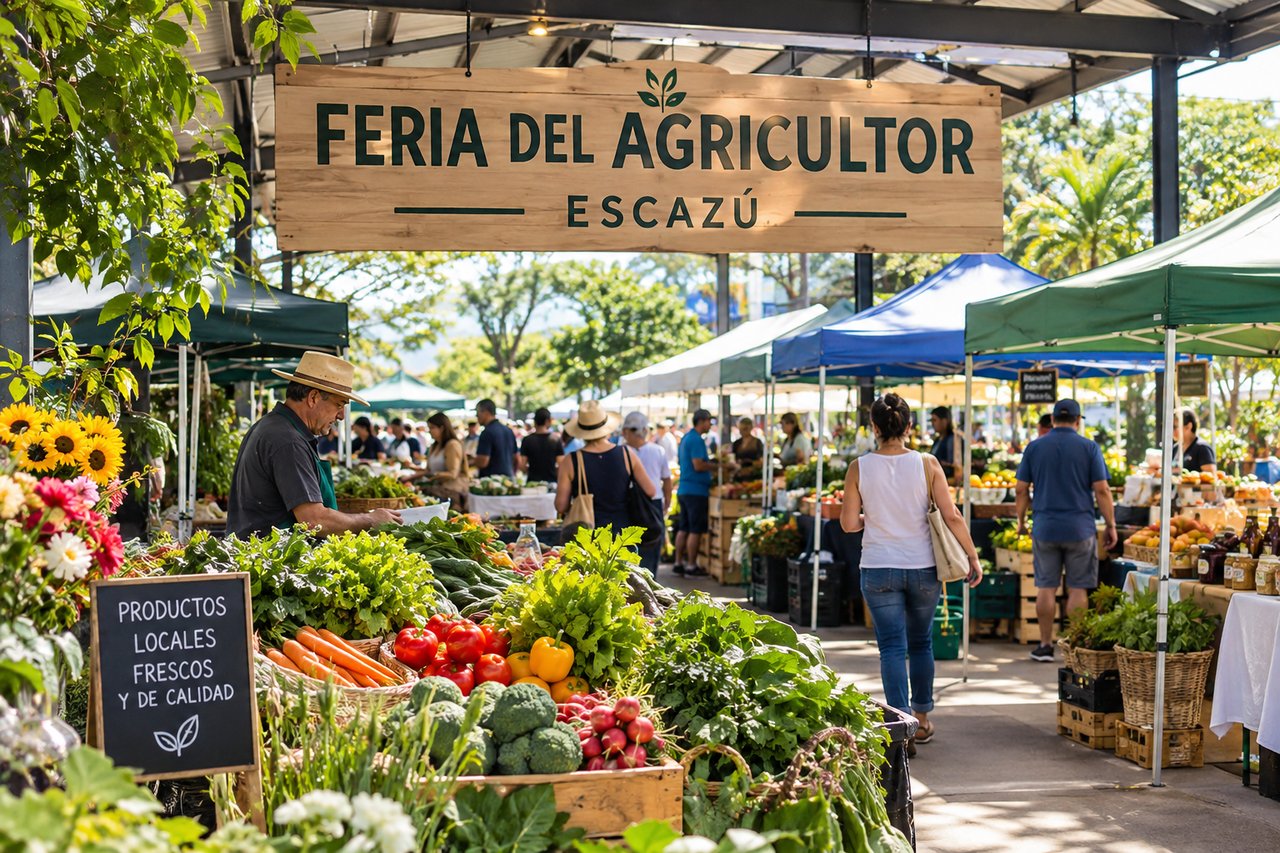
While the ocean runs its migration and the park fills or empties by sector, the towns themselves keep a schedule that has nothing to do with either. Uvita runs two weekly markets, one on Wednesday and one on Saturday, both starting around 8 a.m. Fifteen minutes north, Dominical holds its own Eco Feria on Friday mornings from 8 a.m. to 1 p.m. Together, that's three fixed points across the week, in Uvita and Dominical, that hold steady whether it's whale season, green season, or the quiet stretch in May.
That steadiness is useful in a practical way. If Route 34 backs up with rental cars on a September Saturday but the Wednesday feria in Uvita feels completely normal, that's not a coincidence. The market crowd is local. The traffic crowd is elsewhere, headed for boats and beaches on a completely different rhythm. Knowing which day of the week produces which crowd is worth more than knowing which month is "whale season," because the month is broad and the actual congestion is narrow.
There's one exception to the two-clocks-running-separately pattern, and it's the town's own Whale and Dolphin Festival, timed deliberately to land inside the biological peak. The 2025 edition, its fifteenth year, ran September 5 through 7, organized by the Association of Tourism Operators of Ballena Marine Park, the Association of Guides of Ballena Bay, and the Association for the Integral Development of Osa Bay, with backing from the Costa Rican Tourism Institute. The festival adds abbreviated two-hour whale and dolphin tours, live music, a beach run, a mountain bike race, and activities built for kids, stacked on top of a weekend that would already be strong for sightings on its own.
This is the genuine overlap, the few days a year when the ocean's calendar and the town's calendar move together instead of past each other. In one especially strong year covered by the Tico Times back in 2015, weekend attendance reached as many as 5,000 visitors, a number that gives some sense of how far the crowd swells beyond a normal peak-season Saturday. Expect this year's edition to land in the same early-September window it has held for over a decade.
None of this is an argument against going out on the water in August or September. It's an argument for being specific about which few days you're standing in. The six to eight weeks of southern migration season are, on the whole, quiet by tourism standards outside of one loud weekend. Nauyaca Waterfalls, the two-tiered falls above Dominical with a combined drop of roughly 200 feet, run full-day guided trips from the Uvita and Ojochal area for about $135 a person including meals, on a schedule that has nothing to do with whale traffic. Caño Island, ninety minutes offshore by boat, holds its reputation as one of the country's clearest snorkeling sites regardless of what the humpbacks are doing that week.
The whales showed up in force this month, and they'll keep showing up through October before tapering off into the real off-season. The festival will bring its one loud weekend, most likely in the first days of September again this year. Everything in between is peak season without the crowd, and the local feria schedule keeps ticking through all of it exactly the way it always has.
For anyone weighing what a season like this means beyond the beach, whether that's a second property along this coast, a move up from Ojochal to Uvita, or simply understanding how a place this specific holds its value through a year with two very different clocks, Luxury Living Costa Rica is a call away. Get started now.
Photo credit: Chateau Montage
Stay up to date on the latest real estate trends.


Jaco Beach Costa Rica - A beach community lifestyle
Invest in a lifestyle that values community, nature, and authentic Costa Rican culture. Contact us today to get started!
LUXURY LIVING COSTA RICA
PLAZA TEMPO ESCAZÚ SAN JOSÉ SAN RAFAEL COSTA RICA 10903