Why Central Valley East Appeals To Professionals And Families
June 25, 2026
June 25, 2026
Looking for a place in Costa Rica that makes daily life easier without giving up character, climate, or long-term appeal? Central Valley East stands out because it connects the energy of San José with the heritage, cooler weather, and expanding services of Cartago and the surrounding highland communities. If you are balancing work, family priorities, relocation goals, or lifestyle quality, this corridor offers a practical and distinctive option. Let’s take a closer look.
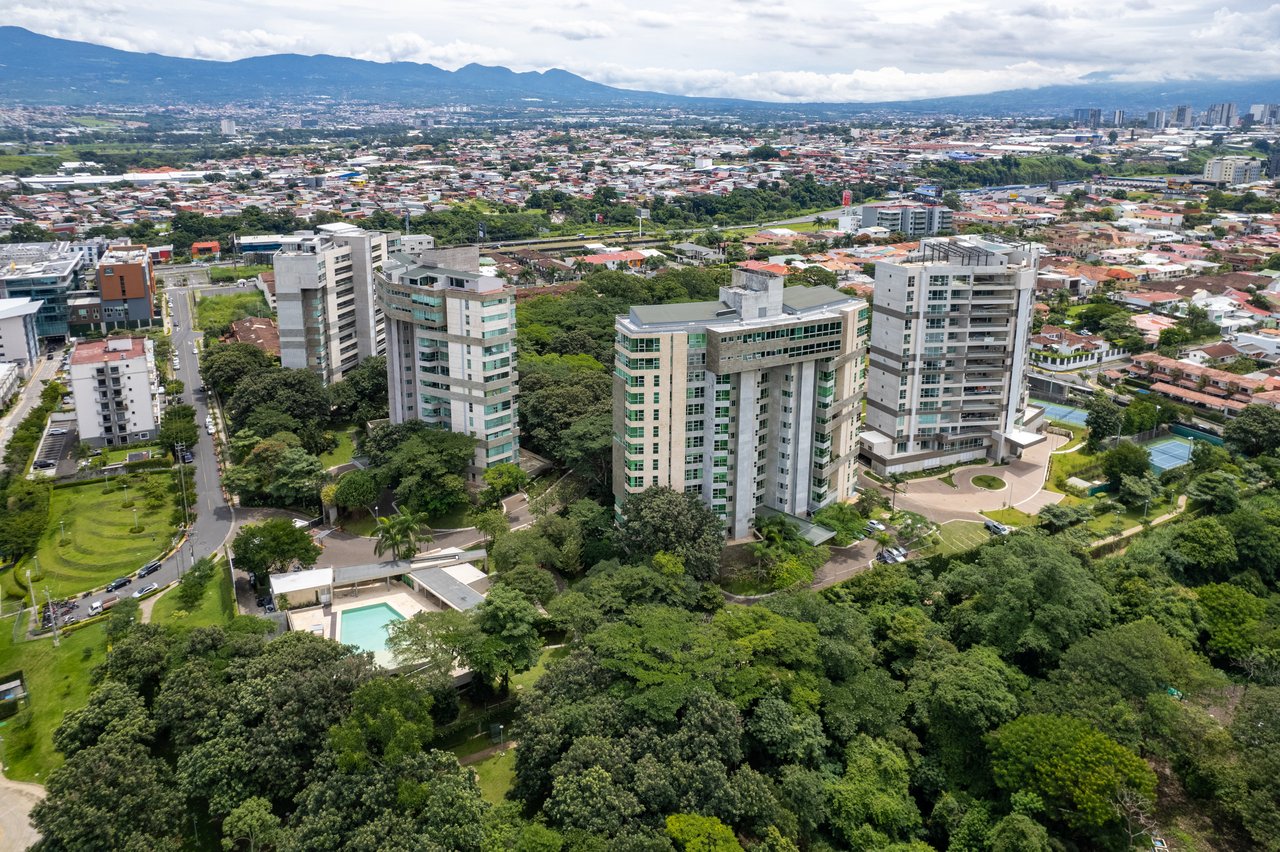
Central Valley East works best as a corridor rather than a single neighborhood. It stretches from the eastern side of San José toward Cartago and into higher-elevation communities beyond.
That regional shape is part of its appeal. You are not choosing just one type of setting. Instead, you gain access to a connected area that blends city access, established institutions, and a gradual shift toward more open and temperate surroundings.
Cartago adds an important layer to the region’s identity. As Costa Rica’s former capital, it brings historical significance along with active commercial development and strong state services.
One reason many professionals and families are drawn to this side of the Central Valley is the climate. Cartago sits about 24 kilometers southeast of San José at roughly 1,435 meters above sea level, with temperatures commonly ranging from 15°C to 26°C.
That elevation helps create a cooler, more temperate feel than many lower-lying parts of the country. For buyers who value fresh air, comfortable daytime temperatures, and a setting that feels less intense than hotter regions, that can be a meaningful quality-of-life advantage.
In practical terms, climate affects more than comfort. It also shapes how you use outdoor spaces, enjoy weekend plans, and experience day-to-day living throughout the year.
For households that need regular access to San José, Central Valley East offers a strong convenience story. The corridor links the capital’s eastern districts with places like Curridabat, Tres Ríos, Ochomogo, and Cartago, creating a live-work pattern that feels more connected than many buyers expect.
Rail is one reason this matters. INCOFER lists a regular Monday-to-Friday passenger route between San José and Cartago, and its maintenance notices reference multiple communities along the eastern urban belt.
That said, it is best to view this as a real advantage, not a guarantee. INCOFER has also reported maintenance work and temporary suspensions on the Cartago line in recent years, so commute options are valuable but can still face disruption.
For many buyers, the bigger takeaway is flexibility. If your work, meetings, or daily routine move between San José and Cartago, this corridor is designed around that flow.
Education access often matters to both relocating households and long-term buyers. Central Valley East benefits from being anchored by major public universities at both ends of the corridor.
The University of Costa Rica’s main campus is in San Pedro de Montes de Oca, about 3 kilometers east of downtown San José. On the eastern end, TEC’s main campus in Cartago offers 20 careers along with sports and other facilities.
This university presence helps shape the region in practical ways. It supports steady activity, institutional investment, and a stronger live-work-learn environment than you find in areas that serve only as commuter suburbs.
For some buyers, that translates into convenience. For others, it adds long-term confidence in the area’s relevance and demand.
Access to healthcare is a major consideration for professionals, relocating households, and multigenerational families. Central Valley East benefits from proximity to both regional and national hospital infrastructure.
CCSS lists Hospital Maximiliano Peralta Jiménez in Cartago as a regional hospital. At the same time, San José’s cantonal core includes major national hospitals such as San Juan de Dios, Calderón Guardia, and México.
This matters because the corridor sits within reach of both local and advanced referral care. For many families, that combination supports greater peace of mind when evaluating where to live full time or for extended stays.
Some places offer convenience but feel interchangeable. Central Valley East appeals differently because practical access is paired with historical and cultural depth.
In Cartago province, notable heritage and recreation points include the Orosi church, the Ujarrás ruins, the Basilica of Our Lady of the Angels, and the Guayabo National Monument in Turrialba. These landmarks help give the region a sense of continuity and identity that goes beyond modern development.
San José adds another layer nearby. Cultural anchors include the Museo Nacional, the Teatro Nacional, and the CENAC cultural complex.
For residents, this creates a broader lifestyle mix. You are not limited to a workweek routine. You also have access to history, civic life, and meaningful places to explore on weekends.
Professionals and families often want a home base that keeps nature within reach. Central Valley East delivers that especially well because of its position between the capital and the highlands.
Visit Costa Rica notes that Irazú Volcano National Park is accessed from San José via the Florencio del Castillo Highway to Taras de Cartago and then north through highland communities. That route helps illustrate how quickly the setting can shift from urban activity to mountain landscapes.
This proximity matters for lifestyle. It gives you more options for day trips, scenic drives, and a rhythm of life that feels less confined than denser city living alone.
A key strength of Central Valley East is variety. There is no single official housing inventory for the area, so the most accurate way to think about it is as an urban-to-rural transition.
Closer to San José and the university districts, the setting tends to be more apartment- and condo-friendly. As you move farther east, homes are more likely to be detached, on larger lots, or in lower-density surroundings.
That range can be especially appealing if you want to match property type with lifestyle priorities. You may prefer a lock-and-leave residence with easy capital access, or you may want more land, more privacy, and a calmer highland setting.
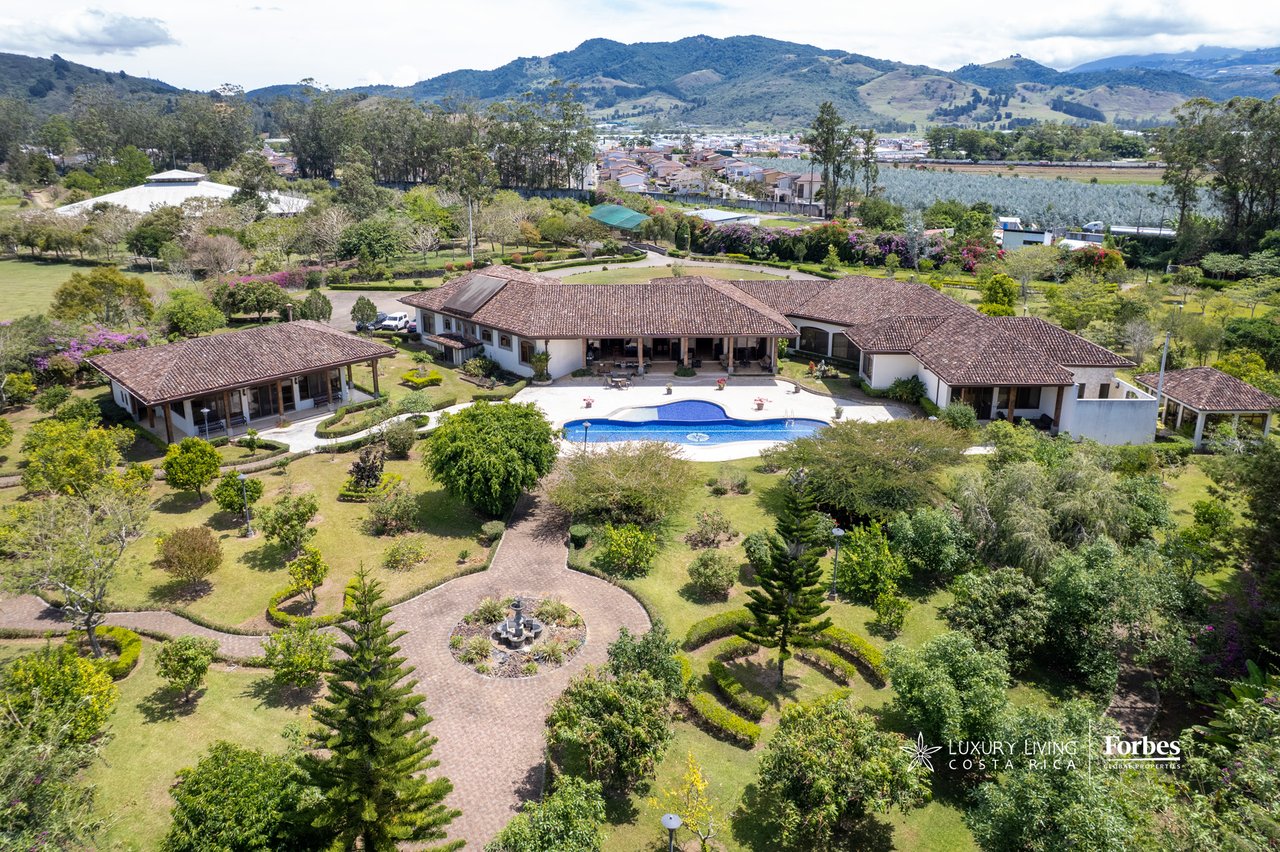
For luxury buyers, this corridor can offer a more nuanced search process. The right fit depends less on one headline neighborhood and more on how you want to live between urban convenience and countryside character.
For professionals, Central Valley East offers a practical balance that is increasingly hard to find. You can stay connected to San José while benefiting from a cooler climate, strong institutional anchors, and access to a broader regional network.
The presence of major universities, rail service, highway access, and hospital infrastructure supports daily function. At the same time, the area feels more layered and livable than a purely transactional business district.
That balance can matter whether you are relocating full time, establishing a primary residence, or looking for a home that supports both work and personal life.
For families, the appeal often comes down to daily livability. Access to healthcare, proximity to major institutions, varied housing formats, and the chance to enjoy both city resources and highland outings all strengthen the case for the area.
The region also offers a sense of range. You can be close to the capital’s services while still enjoying communities that feel calmer, cooler, and more spacious as you move eastward.
That combination does not make Central Valley East one-size-fits-all. It does, however, make it one of the more adaptable regions for households with changing needs over time.
The strongest reason Central Valley East appeals to professionals and families is simple. It offers convenience plus character.
You have access to San José, connection to Cartago, a temperate climate, major healthcare infrastructure, university presence, heritage landmarks, and easy entry to mountain landscapes. Few regions combine those elements in such a practical and livable way.
If you are considering a move, a second home, or a strategic property purchase in Costa Rica, Central Valley East is worth evaluating with care. The right property here is not just about square footage or finishes. It is about finding the right place along a corridor that supports how you want to live.
If you would like thoughtful guidance on luxury homes, estates, relocation decisions, or investment opportunities in Costa Rica, connect with Asesores Costa Rica 1790 SRL.
Stay up to date on the latest real estate trends.

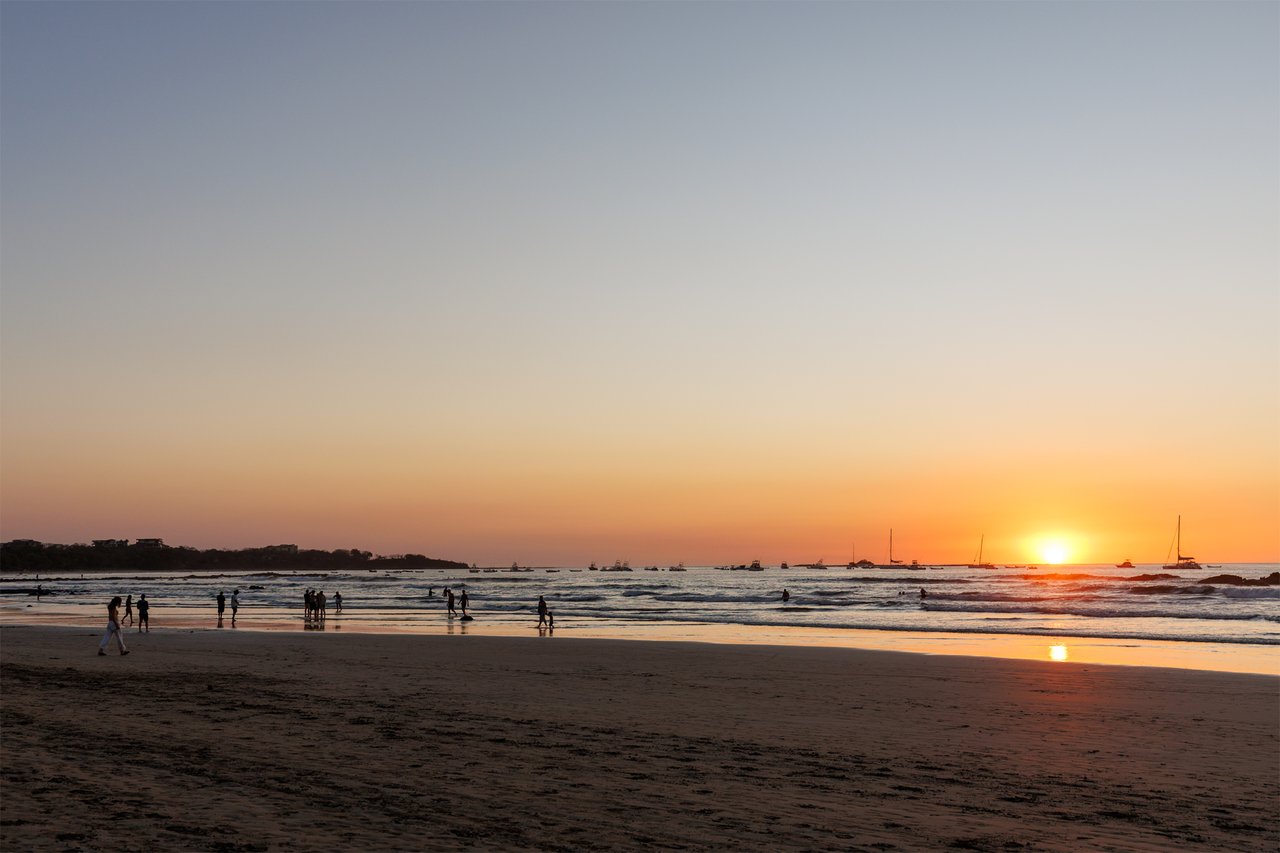


Jaco Beach Costa Rica - A beach community lifestyle
Invest in a lifestyle that values community, nature, and authentic Costa Rican culture. Contact us today to get started!
LUXURY LIVING COSTA RICA
PLAZA TEMPO ESCAZÚ SAN JOSÉ SAN RAFAEL COSTA RICA 10903