Understanding Seasonality On Costa Rica’s Central Pacific Market
June 11, 2026
June 11, 2026
If you have been watching Costa Rica’s Central Pacific market, you may have noticed that timing matters almost as much as the property itself. Buyer activity, listing visibility, travel patterns, and even how a home shows in person can shift meaningfully throughout the year. When you understand that rhythm, you can make smarter decisions whether you plan to buy, sell, or evaluate a luxury investment property. Let’s dive in.
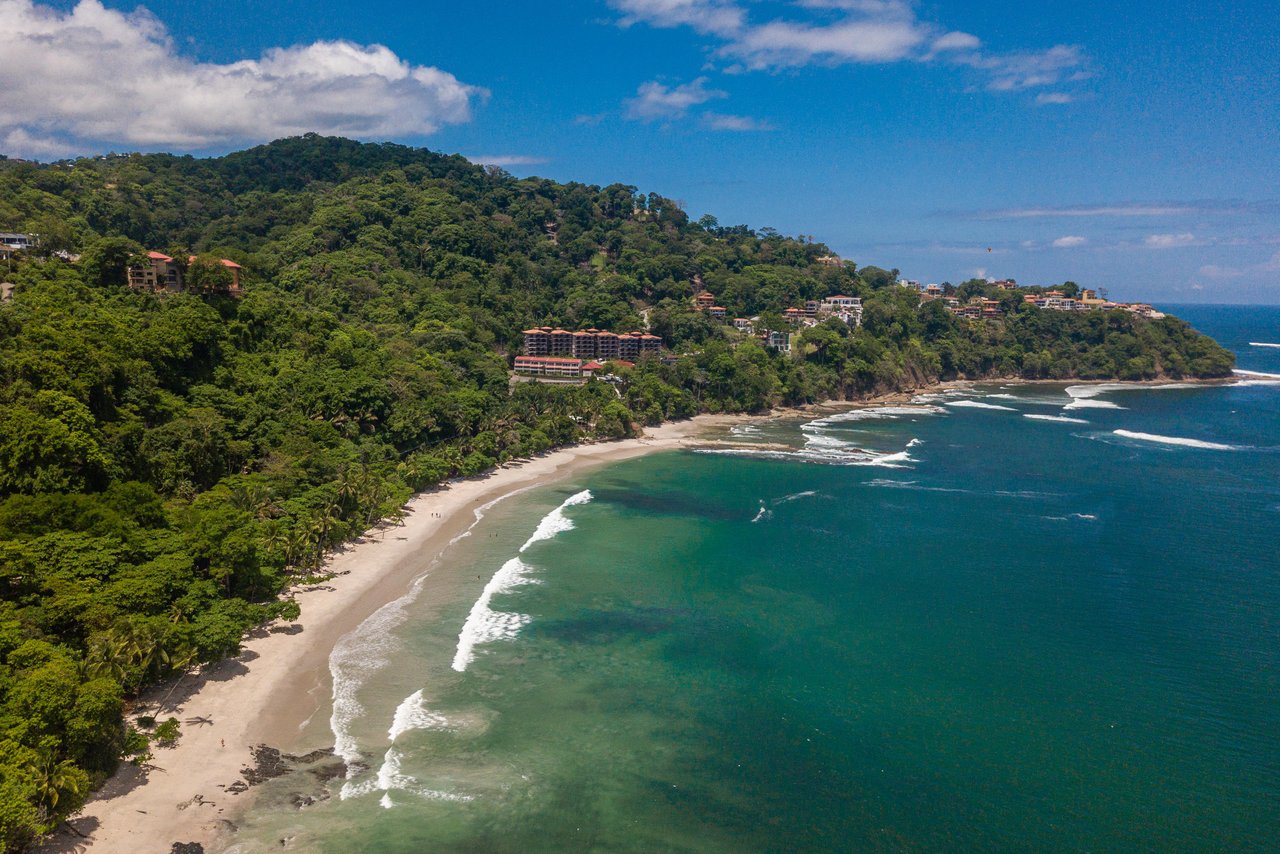
Costa Rica’s Central Pacific region, from Playa Herradura and Jacó to Quepos, Manuel Antonio, and Dominical, follows a clear annual cycle shaped by climate and tourism. According to official tourism and climate indicators in the research, this area typically sees its driest stretch from January through March, a transition in April, and more regular rains beginning in early May.
That pattern matters because this is a lifestyle-driven market. Travel activity, vacation rental demand, and in-person property tours often move with the weather. In practical terms, the strongest visibility for listings usually lines up with the dry season, while the wetter months often create a slower, more measured environment.
The Central Pacific is described in the research as a tropical region with about 3,500 mm of average annual rainfall and a maximum average temperature of 31°C. It also has a shorter, more moderate dry season than some other parts of Costa Rica, which gives this market its own timing.
Here is the broad calendar that shapes activity:
This is generally the driest and brightest part of the year. Conditions are often best for beach use, touring properties, and seeing ocean-view or outdoor living features at their most inviting.
For real estate, these months usually bring the highest buyer visibility. International travel is stronger, showing conditions are easier, and well-positioned homes often attract faster attention.
These are useful transition months. They can offer a middle ground for buyers and sellers who want activity without the full pace of peak season.
If you are planning a purchase, these months may offer a practical balance between selection and negotiating room. If you are listing, you can still benefit from active demand while avoiding some of the busiest seasonal congestion.
This is when the rainy season begins to settle in. The landscape turns greener, visitor numbers tend to soften, and inspections may reveal more about drainage, access, humidity, and maintenance.
For many buyers, that is actually helpful. A property that performs well at the start of the wet season can inspire more confidence than one seen only on a perfect sunny day.
The research notes that these months can bring a veranillo, or little summer, which may briefly improve weather conditions and support a mid-year bump in travel. This can create a useful wildcard period in the market.
You may still see meaningful activity in these months, especially from buyers who want better timing than peak season but still hope for easier travel and touring conditions.
These are typically the wettest months and often the softest period in the annual cycle. Tourism slows, and Manuel Antonio visitation is noted in the research as lower during this rainy stretch.
For buyers, this can be one of the most informative times to evaluate property performance. For sellers, it can be a quieter window that rewards strong preparation and realistic expectations.
In the Central Pacific, tourism is one of the clearest signals behind market rhythm. Official 2024 arrival data in the research show a strong national seasonal pattern, with total arrivals reaching 299,194 in January, 317,830 in February, and 350,300 in March. That level then fell to 123,371 in September and 138,330 in October before rising again late in the year.
Those numbers do not serve as a direct MLS inventory report for the Central Pacific, but they do help explain why demand often feels stronger in some months than others. When more travelers are in Costa Rica, more potential buyers are touring, exploring lifestyle options, and evaluating second-home or income-property opportunities.
The same pattern appears in lodging and visitation indicators. National short-term accommodation data showed stronger occupancy in the dry and high-season months, while Manuel Antonio sees lower visitation in September and October. Together, these indicators support a simple conclusion: in this market, weather, travel, and buyer attention tend to move together.
If you are buying in the Central Pacific, the best time depends on your priorities.
Late November through March is usually the most active period for visibility and weather-driven interest. More buyers are in the region, properties tend to show beautifully, and turnkey homes with strong rental appeal may draw the most attention.
The tradeoff is that competition can feel tighter. You may have less room to negotiate, especially on homes that align well with peak-season demand.
The softer months often give you more time to compare options and negotiate thoughtfully. The research points to September and October as the softest visitor window, which can create more leverage for patient buyers.
This is also when you can test the details that matter in the real world, including road access, drainage, humidity, noise, and how the property functions during the wettest conditions.
Seasonality should push you to look beyond holiday performance. A vacation home can appear very strong during the dry season and still underperform over a full year if the rainy-season months are weak.
That is why monthly occupancy trends, average nightly rates, and operating costs matter more than a few peak-season anecdotes. In a seasonal market, annual performance tells the fuller story.
If you are preparing to sell a home or estate on the Central Pacific coast, timing can influence both visibility and buyer psychology.
Based on the research, the strongest visibility window is usually late November through April. Weather is more favorable, travel confidence is stronger, and buyer traffic is generally easier to generate.
For luxury homes, this matters even more. Buyers shopping from abroad or combining travel with property tours often prefer months when itineraries are simpler and homes show at their brightest.
A rainy-season listing can still succeed, but presentation becomes more important. Covered terraces, drainage, maintenance history, and the overall durability of the property become especially visible during wet months.
This can work in your favor if the home has been well cared for. A property that feels comfortable, functional, and well-managed in rainy conditions can stand out for the right buyer.
If your property appeals to income-focused buyers, clear reporting matters. The research highlights the value of showing occupancy by month, average nightly rate, maintenance costs, and performance beyond the holiday peak.
That level of detail builds credibility. It also helps serious buyers evaluate the asset based on annual reality, not just a strong season.
If you want a simple planning guide, this is the clearest way to think about the Central Pacific cycle:
These are not rigid rules. The research also notes that climate patterns can shift from year to year, including during El Niño or La Niña conditions, which can affect rainfall, temperature, and wind patterns in Pacific regions.
That means the smartest strategy is not to chase a perfect month. It is to match your timing to your goals, your property type, and the conditions that matter most to your decision.
In the luxury segment, seasonality is not just about sunshine. It affects how international buyers travel, how second-home shoppers compare regions, and how income-producing properties are judged.
If you are buying, seasonality helps you decide whether you value polished presentation or deeper stress-testing. If you are selling, it helps you decide whether your priority is broad exposure, a faster launch window, or proving year-round property performance.
That is why local guidance matters. In a market as nuanced as Costa Rica’s Central Pacific coast, timing is most effective when it is paired with property-specific analysis and clear expectations.
Whether you are evaluating an ocean-view villa, a beachfront home, a gated residence, or a hospitality-oriented asset, understanding the annual cycle can help you move with more confidence. If you are considering your next step on the Central Pacific coast, connect with Asesores Costa Rica 1790 SRL for discreet, informed guidance tailored to your goals.
Stay up to date on the latest real estate trends.
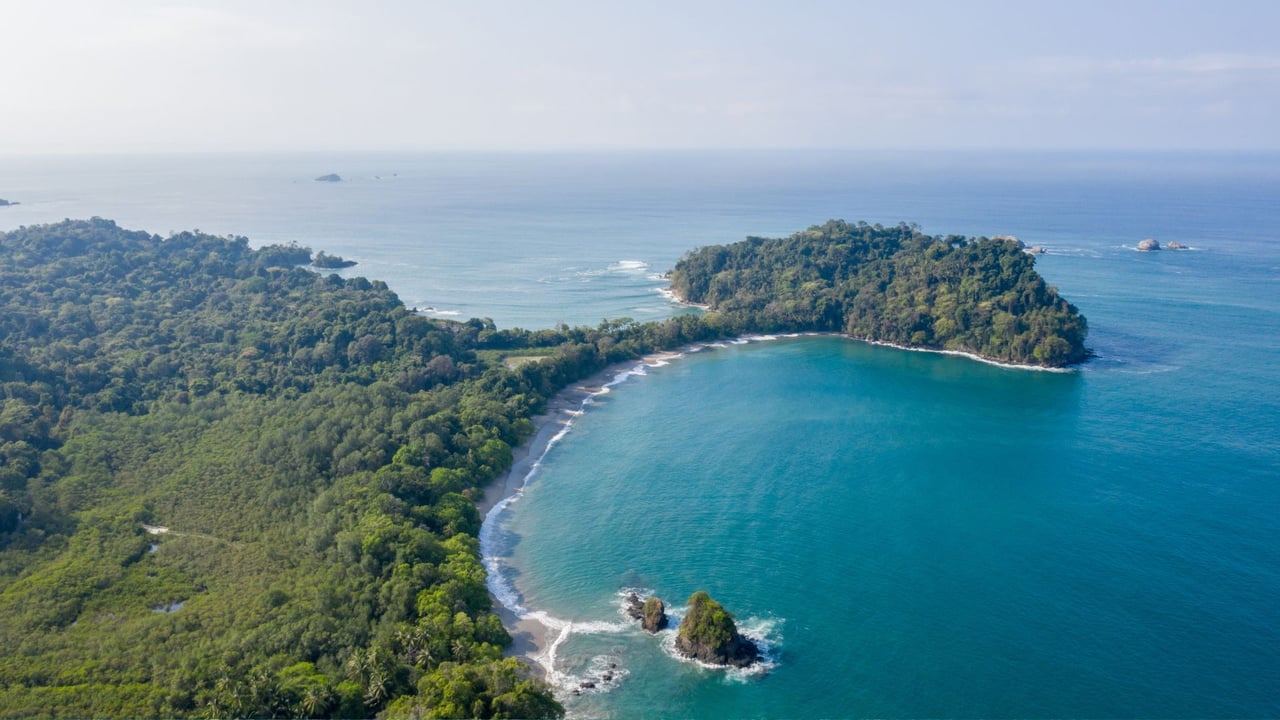

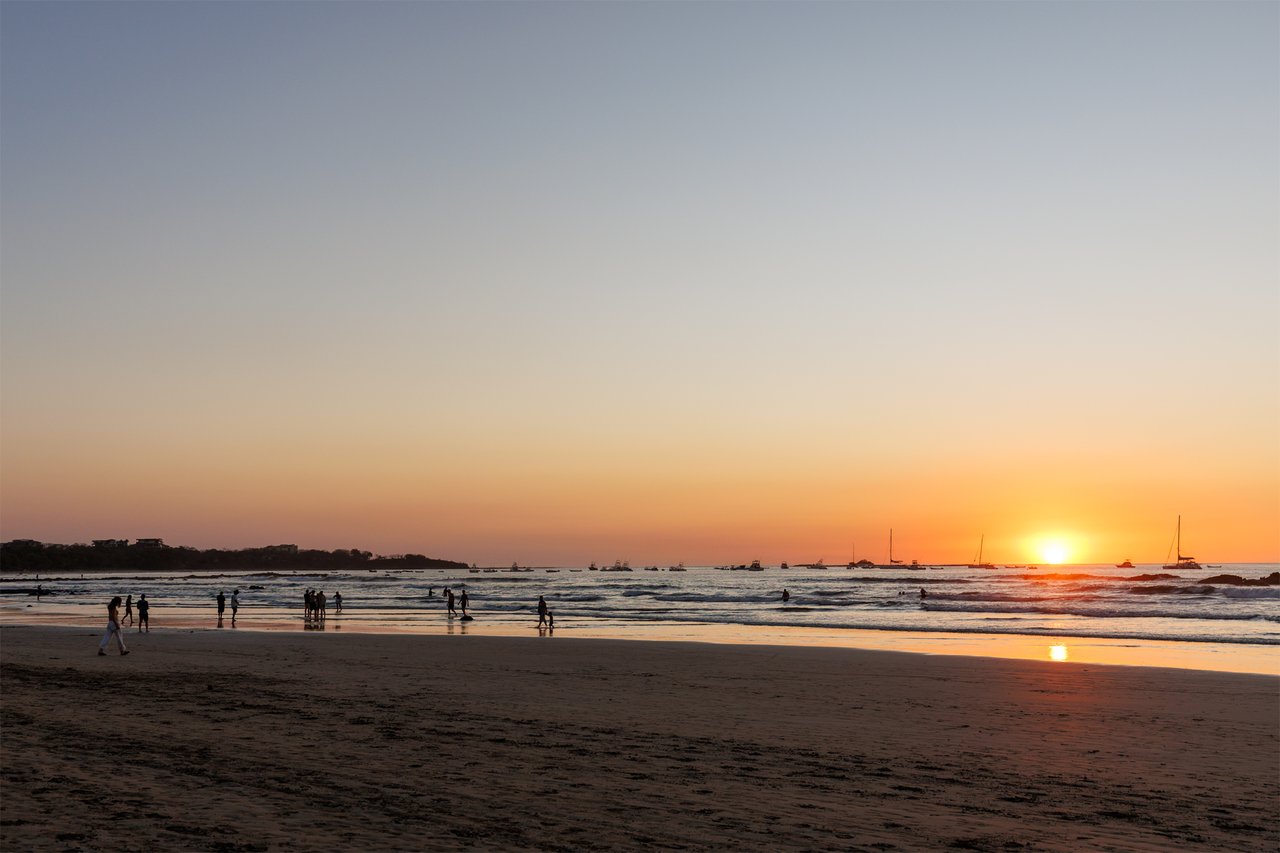

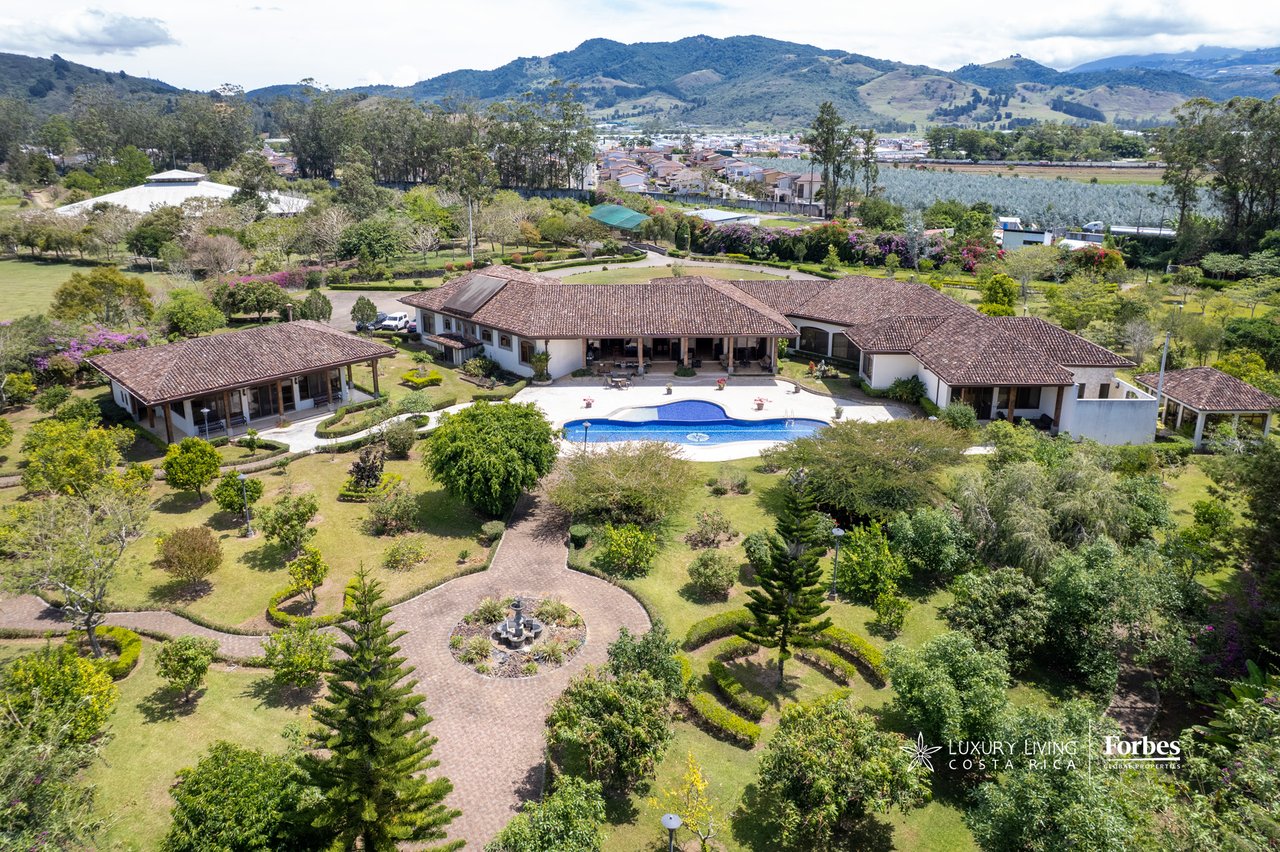


Jaco Beach Costa Rica - A beach community lifestyle
Invest in a lifestyle that values community, nature, and authentic Costa Rican culture. Contact us today to get started!
LUXURY LIVING COSTA RICA
PLAZA TEMPO ESCAZÚ SAN JOSÉ SAN RAFAEL COSTA RICA 10903